
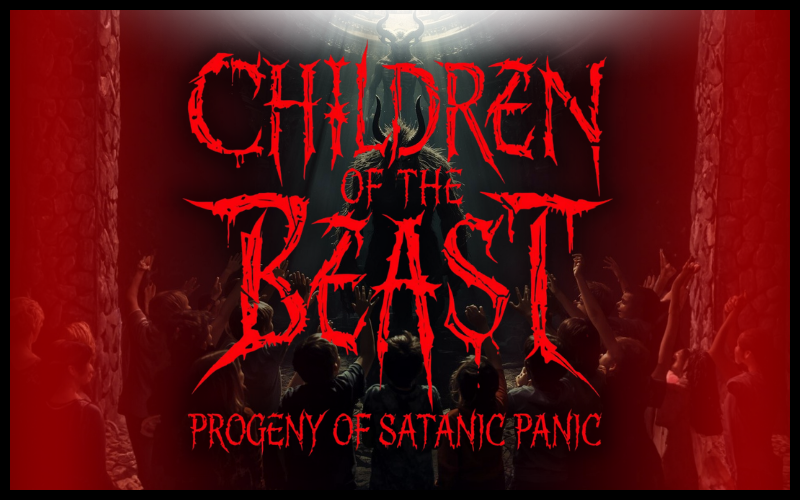
Clyde Lewis and author William H. Kennedy trace occult-themed murders from Saskatchewan to a Kentucky vampire clan and weigh the satanic panic's legacy.
At a glance
Guest: William H. Kennedy
Topics: occult-themed murder · the satanic panic · Killer Kids: Occult Killers · vampire subculture · media and moral panic
Also discussed: Sandy Charles · Jonathan Timpson · Rod Ferrell · Elyse Pahor · Anton LaVey · Kenneth Lanning · Whitney Heichel
A housekeeper at London's Intercontinental Hotel reportedly found large amounts of blood in the bathtub after Lady Gaga checked out; Scotland Yard allegedly told her to keep quiet. On the October 24, 2012 broadcast of Ground Zero, Clyde Lewis played the story straight, then played the clip of Gaga describing her new fragrance. It had nearly been called Monster. It smelled of blood and semen. "I wanted it to smell slutty," she said. Lewis added his own claim: she had wanted a trace of poison in the formula itself.
His point was the shrug: a pop star leaves blood in a hotel bathroom and sells a perfume that smells of bodily fluids, and the culture reports it with a straight face and moves on. Lewis wanted to know when that stopped being strange, and he spent the night arguing that the satanic panic of the 1980s and 1990s had ended without anything replacing it. The old panic was loud, full of daycare allegations and recovered memories. The new condition, he argued, arrives quietly, as symbolism, as entertainment, as perfume.
A Girl Advertises for a Vampire
Lewis opened close to home: Whitney Heichel, a young Oregon woman murdered by Jonathan Holt, a man who had fixated on her. Then he read a Yahoo blog personal ad from a girl named Teresa: "I'm interested in meeting a real vampire, one that will treat me right. I love vampires. I have always been fascinated with their dark side." Lewis let the quote hang. A girl inviting a vampire into her life, he argued, is a girl inviting a dark force into her life, whether she knows it or not.
His guest, William H. Kennedy, author of Lucifer's Lodge and Satanic Crimes, agreed that children absorb occult imagery from an early age. Lewis listed the evidence he saw: Harry Potter, Scooby-Doo, Paranorman, Frankenweenie, the Chernabog sequence in Disney's Fantasia. The influence, he said, "is more subtle. It's symbolism." Kennedy offered the counterweight: actual occult murders remain rare, no matter how saturated the imagery becomes.
The Boy Who Believed the Movie
Kennedy had recently worked on Killer Kids: Occult Killers, a Discovery Bio program drawn from his book, and the case he brought was hard to sit through. In 1995, a 14-year-old Saskatchewan boy named Sandy Charles became obsessed with the film Warlock. Charles murdered a 7-year-old boy, Jonathan Timpson, cut off pieces of the child's flesh, boiled them, and drank the fat, believing it would give him the magical power to fly. Kennedy refused to let it sound like legend. "This is a hard fact," he said. "This really happened in July 8, 1995 in Canada."
Kennedy has spent decades inside material like this, and he passed along the advice of his friend Philip Carlo, who wrote about the Night Stalker: "If you can't keep your sense of humor, if this stuff bothers you, then don't do it." He also refused to treat Charles as a monster dropped from the sky. The Charles family, he noted, were native Canadians living in poverty. "A society gets the criminals it deserves."
The Vampire Clan of Kentucky
Lewis then turned to Rod Ferrell, the teenage leader of a Kentucky vampire clan whose members tortured animals and drank blood, their victims' and each other's. Ferrell murdered his girlfriend's parents, the Wendorffs, and drank the blood of her murdered father before leaving, Kennedy said. Lewis played audio of Ferrell. "Boom, right across the temple bed. So I just beat him until he died." And: "I had decided to take the darker path, the evil path."
The court record is plain. Ferrell's lawyers argued he was emotionally disturbed, backed by a psychiatrist who put his emotional age at three. A jury sentenced him to death in Florida's electric chair, and in July 1999 the Florida Supreme Court commuted the sentence to life in prison. Kennedy called the case frightening "especially when he could recruit people to do his bidding." The hour's grimmest account belonged to Elyse Pahor, murdered in 1995 by three classmates Kennedy described as heavy metal Satanists who planned the killing for weeks. Lewis said the three were card-carrying Church of Satan members who bought knives from a church-affiliated webpage called Maledicta, and that one of them explained the motive this way: "I did it because I was hoping we'd get a record contract." Pahor's parents sued the band Slayer over its lyrics. The suit was thrown out.
What the Panic Got Wrong
Kennedy was careful with the history: the satanic panic, he argued, sent innocent people to prison. He cited the Lanning Report by former FBI agent Kenneth Lanning, quoting its finding: "The media has a tendency to hype and over-report and even exaggerate Satanism." He pointed to the West Memphis Three, Arkansas teenagers convicted of murder after one of them, a boy with an IQ of 60, gave a coerced false confession, Kennedy said. They spent nearly two decades in prison. Kennedy said he had worked to help free them.
Yet he would not let the wrongful convictions close the subject. Ritual abuse, he argued, should still be investigated, because cases like Sandy Charles and Elyse Pahor are real. Midway through, Lewis played, without comment, a clip of an interviewer asking a U.S. Army Lieutenant Colonel how the Army felt about him heading the Temple of Set. "The Army has known about my religion for the entire span of my Army career," the colonel answered, "which began in 1968." The silence after the clip did the commenting.
The Devil Gets No Verdict
On possession as a legal shield, Kennedy reached for an old joke: claiming demonic possession in court is called the Flip Wilson defense, after the comedian's catchphrase. He argued it has to fail. "If people accepted the devil made me do it defense, then every mafia chief, every drug runner, every rapist would say that." Lewis and Kennedy noted that Charles Manson, Richard Ramirez, and David Berkowitz each believed Satan would protect them from prosecution. The courts disagreed.
The callers pressed from the other side. Leah from Texas insisted that anyone who worships Satan is "absolutely, completely demon possessed." Kennedy pushed back with John Wayne Gacy: he "used to dress up like a clown and read from the Bible as he strangled his victims to death." Nobody calls Gacy a Christian killer. "We never hear the Christian killer," Kennedy said, arguing that selective labels exist to manufacture a persecuted other. His own explanation was colder: "They're wired differently than the rest of us." His advice to parents was plainer. Find out what your kids are into. Do not be judgmental. Do not yell.
Lewis closed the night where he began, on the uses of fear. He called the times a pathocracy, argued that Halloween candy poisoning is an urban legend whose only real case was a father poisoning his own children, and watched parents x-ray candy and trick-or-treat in malls anyway. The blood in the bathtub, the girl advertising for a vampire, the boy who boiled a child to fly: the broadcast left them on the table, unresolved, and asked only why nobody blinks anymore.
Questions this episode answers
What is Killer Kids: Occult Killers?
It is a Discovery Bio television program about young people who commit murders with occult influences, and guest William H. Kennedy worked on it, drawing on his book Satanic Crimes.
Kennedy said the program was directed by Christian Page at Blue Planet Productions in Montreal. Lewis told the audience he had watched it that day and found it frightening, even though the program itself stresses that such crimes are rare.
The series examines real cases of occult-influenced killers, and Kennedy used the Sandy Charles case from it as the episode's central example.
What did Sandy Charles do?
Kennedy recounts that in 1995, 14-year-old Sandy Charles of Saskatchewan, Canada, murdered 7-year-old Jonathan Timpson and boiled the boy's flesh, believing the magic in the film Warlock was real.
Charles drank the rendered fat because he thought it would give him the magical power to fly. Kennedy insisted the case not be mistaken for an urban legend: "This is a hard fact. This really happened in July 8, 1995 in Canada."
Kennedy also framed the crime socially, noting the Charles family were native Canadians living in poverty, and quoting the saying he returns to: "A society gets the criminals it deserves."
Who was Rod Ferrell and what was the vampire clan of Kentucky?
Rod Ferrell was the teenage leader of a Kentucky vampire clan whose members drank blood, and he murdered his girlfriend's parents, the Wendorffs, crimes for which a Florida jury sentenced him to death before the Florida Supreme Court commuted the sentence to life in prison in July 1999.
Kennedy said Ferrell drank the blood of his girlfriend's murdered father before leaving the scene. Lewis played audio of Ferrell: "Boom, right across the temple bed. So I just beat him until he died," and "I had decided to take the darker path, the evil path."
Ferrell's lawyers argued he was emotionally disturbed, with a psychiatrist claiming an emotional age of three. Kennedy called the case frightening "especially when he could recruit people to do his bidding."
What happened in the Elyse Pahor murder case?
According to Lewis and Kennedy, three classmates who identified as heavy metal Satanists murdered Elyse Pahor in 1995 after planning the killing for weeks, and her parents' lawsuit against the band Slayer was thrown out.
Lewis said the killers were card-carrying members of the Church of Satan and had bought knives from a church-affiliated webpage called Maledicta. He attributed this motive to one of them: "I did it because I was hoping we'd get a record contract."
Pahor's parents sued Slayer, claiming the band's lyrics influenced the killers. The court rejected the suit.
What went wrong during the satanic panic?
Kennedy argues the 1980s satanic panic produced wrongful convictions, including the West Memphis Three, driven partly by the media hype documented in former FBI agent Kenneth Lanning's report.
Kennedy quoted the Lanning Report's conclusion: "The media has a tendency to hype and over-report and even exaggerate Satanism." In the West Memphis Three case, he said, a defendant with an IQ of 60 gave a coerced false confession, and the three spent nearly two decades in prison. Kennedy said he worked to help free them.
Even so, Kennedy argued ritual abuse should still be investigated, because cases like Sandy Charles and Elyse Pahor are real. A caller added that in some states atheists cannot testify in court, which he offered as evidence of religious assumptions inside the legal system.
What are the three types of Satanism described on the show?
Lewis and Kennedy describe three kinds of Satanists: atheistic, theistic, and self-deifiers, with Anton LaVey's Church of Satan in the atheistic category.
They argued that LaVey's Satanic Bible and Satanic Rituals were written as psycho-dramatic works, but that not every reader understands them that way, and theistic Satanists use atheistic texts for their own rituals.
Lewis praised Church of Satan head Peter Gilmore for phoning the FBI when someone emailed a murder threat, and stated: "I'm not saying every Church of Satan member is a murderer or involved in criminal activity."
Why do courts reject the "devil made me do it" defense?
Kennedy argues courts reject the defense because accepting it would excuse every criminal, from mafia chiefs to drug runners to rapists.
The claim is nicknamed the Flip Wilson defense, after the comedian's catchphrase. Kennedy said it has been attempted in various cases and has never succeeded.
Lewis and Kennedy noted that Charles Manson, Richard Ramirez, and David Berkowitz each believed Satan would protect them from prosecution. Their subjective beliefs changed nothing about their culpability under the law.
Frequently asked questions
Did the episode claim all Church of Satan members are murderers?
No. Lewis stated on air: "I'm not saying every Church of Satan member is a murderer or involved in criminal activity." He and Kennedy distinguished the church's official positions from individuals who misuse its writings, and Lewis praised Peter Gilmore for reporting a murder threat to the FBI.
What is the Lanning Report?
The Lanning Report is a document by former FBI agent Kenneth Lanning examining media coverage of Satanism. Kennedy cited it as evidence that the satanic panic was fueled by exaggeration, quoting its finding that media tends to "hype and over-report and even exaggerate Satanism."
Are occult-motivated murders common?
Kennedy emphasized that they remain rare despite the saturation of occult imagery in pop culture. He argued that ritualistic killing has occurred for centuries and that mass media and the internet make it more reported, which is different from making it more common.
Is Halloween candy poisoning real?
Lewis called it an urban legend. He said the only real case involved a father poisoning his own children, yet the fear persists, leading parents to x-ray candy and take children trick-or-treating in malls.
What is the "Flip Wilson defense"?
It is slang for claiming "the devil made me do it" in court, named after comedian Flip Wilson's catchphrase. Kennedy argued courts must reject it, because accepting it would let every criminal claim the same excuse.
Who's on this episode
- William H. Kennedy, writer and documentarian, author of Lucifer's Lodge and Satanic Crimes, who worked on the Discovery Bio program Killer Kids: Occult Killers.
Callers: Dennis from Pennsylvania, Nick from Portland.